Your first visit is free
A complete exam, X-rays, and a written treatment plan, with no obligation and no sales pitch.
Treatments
Corrective jaw surgery, or orthognathic surgery, repositions the upper jaw, lower jaw, or both to correct a skeletal imbalance that braces cannot resolve on their own. It is planned jointly with an oral and maxillofacial surgeon using 3D imaging, and treats difficulty chewing or swallowing, chronic jaw pain, open bite, protruding jaw, facial asymmetry, and some sleep-breathing problems.
Overview
Corrective jaw surgery, or orthognathic surgery, repositions the upper jaw, the lower jaw, or both to correct a skeletal imbalance that orthodontics cannot resolve alone. It is planned jointly with an oral and maxillofacial surgeon using 3D imaging, and it treats problems that affect daily life: difficulty chewing or swallowing, chronic jaw pain, an open bite, a protruding jaw, facial asymmetry, and some sleep-breathing problems.
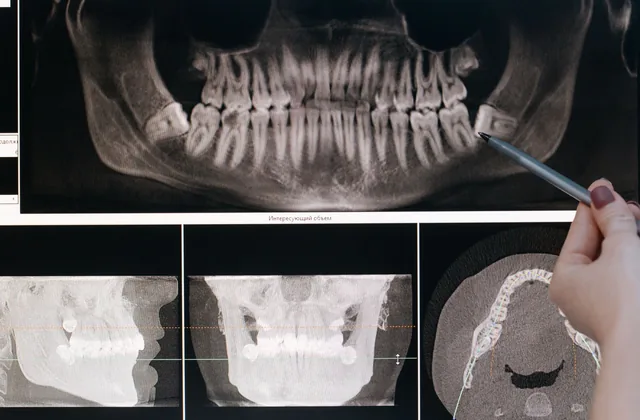
Corrective jaw surgery moves your teeth and jaws into positions that are more balanced, functional, and healthy. Whether your needs include improving your bite and function, appearance, or speech, corrective jaw surgery can have a dramatic and positive effect on your outlook on life. We are here to work together with you to help you achieve a beautiful, functional, pain-free smile that will last for the rest of your life.
In some cases, your upper and lower jaws may have grown at different rates. Injuries and birth defects may also affect jaw alignment. While orthodontics can usually correct problems when only the teeth are misaligned, corrective jaw surgery may be necessary to correct misalignment of the jaws. If you suffer from any of the following conditions, you may be an excellent candidate for corrective jaw surgery:
Receiving treatment to correct any of the above conditions is a commitment, not only to your health, but to your happiness as well. While treatment, which may include surgery and orthodontic treatment, may take several years to complete, the results will last a lifetime. There is no reason to live with painful, uncomfortable jaw conditions. Contact our office to learn about the best treatment option for you, your needs, and your smile.
A complete exam, X-rays, and a written treatment plan, with no obligation and no sales pitch.
Why patients choose it
When the jaws do not meet, eating is genuinely harder. Repositioning them restores normal function.
Chronic discomfort caused by a jaw mismatch is treated at the source rather than managed indefinitely.
Front teeth that never meet, or a visibly uneven jaw, are corrected structurally.
Some sleep-breathing problems relate to jaw position and improve when it is corrected.
How it works
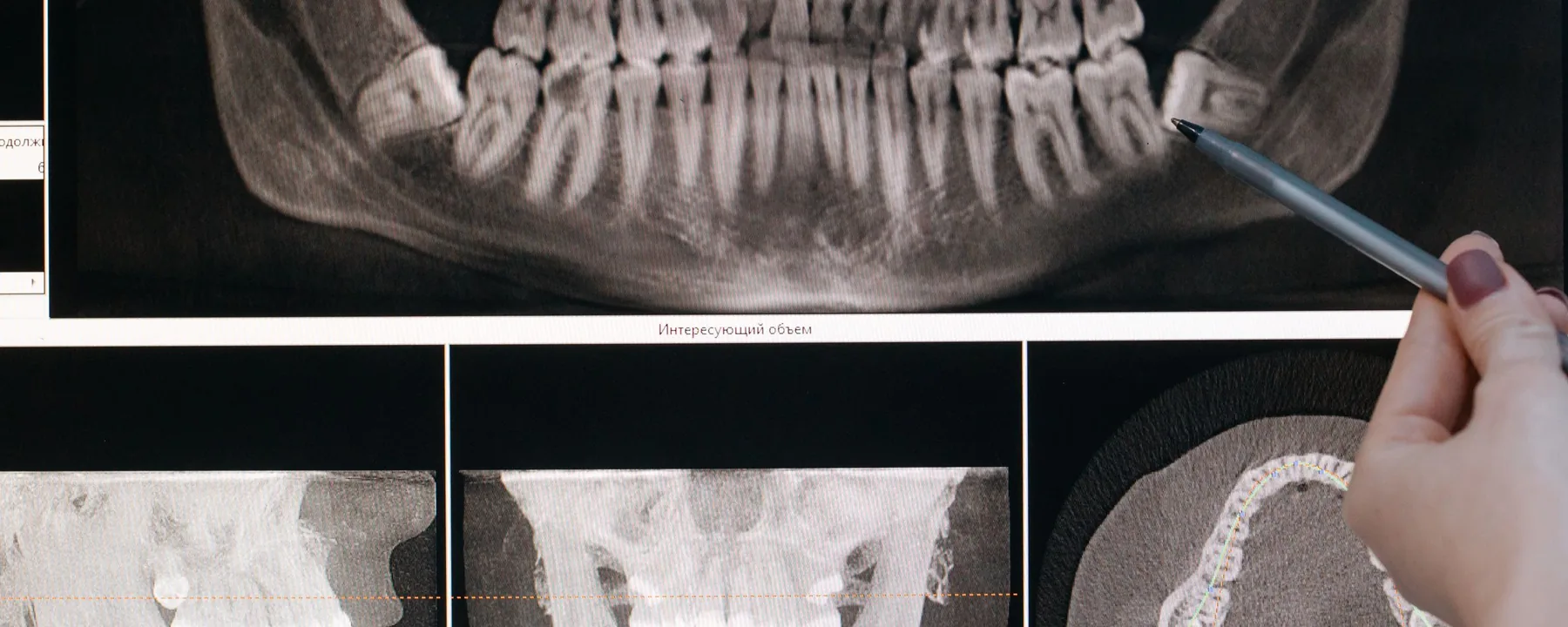
Clinical examination and 3D imaging establish exactly where and how the jaws are mismatched.
We and your oral and maxillofacial surgeon design the outcome together before any treatment starts.
Braces align the teeth within each jaw so that, once repositioned, the bite fits together properly.
Your surgeon repositions the jaw or jaws according to the plan. Recovery is managed by the surgical team.
We refine the bite as healing progresses, then fit a retainer to hold the corrected position.
Who it's for
Adults with a significant skeletal jaw discrepancy that affects function, comfort, or facial balance, and whose growth is complete. Many patients arrive having lived with the problem for years, assuming nothing could be done about it.
No. Corrective jaw surgery is primarily about function: chewing, swallowing, speaking, jaw comfort, and sometimes breathing. Facial balance usually improves as a consequence, but it is not the reason for the procedure.
Difficulty chewing or swallowing, chronic jaw pain, open bite, a protruding or receding jaw, facial asymmetry, and certain sleep-breathing problems.
You will be in braces before surgery to position the teeth, and for a period afterwards while we finish the bite. The braces are what make the surgical result fit together.
We plan the case together from the beginning using shared 3D imaging, so the orthodontic movements and the surgical repositioning are designed around the same endpoint.
Related treatments
Let's get started
If you have been living with a jaw problem you were told could not be fixed, book a consultation. It may well be treatable.