Your first visit is free
A complete exam, X-rays, and a written treatment plan, with no obligation and no sales pitch.
Treatments
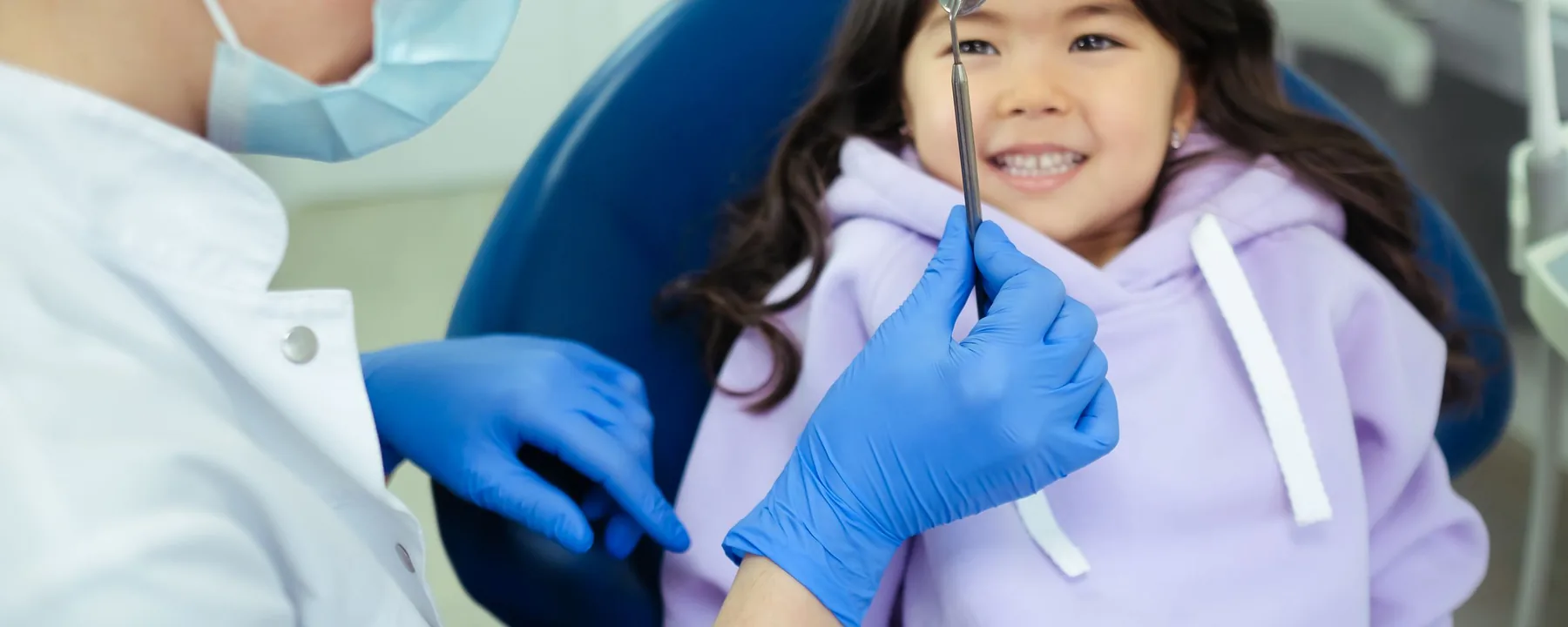
The Canadian Association of Orthodontists recommends an orthodontic check-up by age seven, while the jaw is still growing and the first permanent molars and incisors have come in. An early exam lets us spot crowding, crossbite, and bite problems while they are still simple to guide, often reducing or removing the need for extractions and longer treatment later. If nothing needs doing yet, we simply monitor growth at no cost.
Overview
The Canadian Association of Orthodontists recommends an orthodontic check-up by age seven. That sounds early, and for most children nothing needs doing yet, but it is the age when the first permanent molars and incisors have arrived and the jaw is still growing, which is exactly when problems are cheapest and simplest to solve. If nothing needs treating, we simply watch.
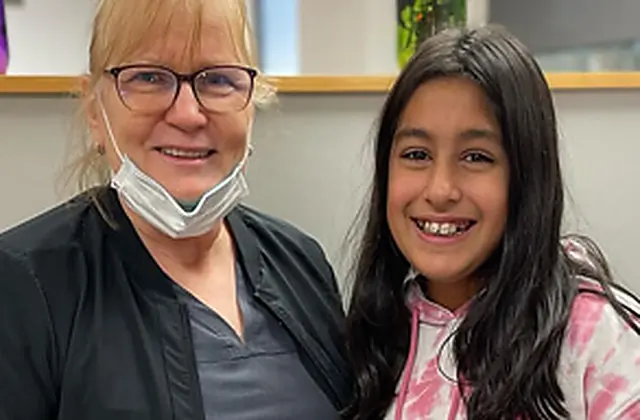
What is the difference between early orthodontic treatment, and regular orthodontic treatment and why might my child need early treatment? How will early treatment benefit my child in the long-run?
These are just a few of the questions surrounding the topic of early orthodontic treatment for children. The Canadian Association of Orthodontists recommends that children see an orthodontist as early as age seven. At this point the orthodontist will evaluate whether your child will need orthodontic treatment.
Early treatment (also known as Phase-One) typically begins around age eight or nine (Phase-Two will begin around age 11 or older). The goal of early treatment is to correct the growth of the jaw and certain bite problems, such as underbite. Early treatment also helps to make room for permanent teeth to come in properly, lessening the chance of extractions in the future.
Orthodontic problems such as crowding of the teeth, too much space between the teeth, jaw growth problems, protruding teeth, and bad bites can be inherited or caused by injury to the mouth, early or late loss of baby teeth, or thumb sucking habits.
Most children lose all their baby teeth by age 13, and by the end of their teen years, the jaw bones will harden and stop growing. Orthodontic procedures for adults often take more time and can involve tooth extraction or oral surgery. Receiving early orthodontic treatment as a child can help prevent the need for orthodontics as an adult, leaving little to no chance of extraction or surgery in the future.
If your child is between the ages of seven and eight and shows signs of needing orthodontic care, or if you have been directed by your family dentist to visit the orthodontist, please contact our practice and schedule an appointment. Our team will provide your child with an initial exam, and discuss with you the best steps to take toward caring for your child's smile.
A complete exam, X-rays, and a written treatment plan, with no obligation and no sales pitch.
Why patients choose it
While the jaw is still developing we can influence how it grows. After growth finishes, the same problem may need surgery.
Widening a narrow arch early often makes space for crowded teeth to come in on their own, frequently avoiding extractions later.
Problems caught early are usually simpler and less expensive to correct than the same problems at fifteen.
The consultation is complimentary, and if your child is not ready for treatment we will say so and monitor their growth.
How it works
We meet your child, look at how their teeth and jaws are developing, and let them get comfortable with the practice.
A complete oral exam with X-rays shows us the adult teeth still to come and how much room there is for them.
Most children need nothing yet. If that is your child, we will tell you so and see them again as they grow.
Where treatment is warranted it is usually short and targeted (an expander, or partial braces) rather than a full course.
We follow your child's growth at no charge until the right moment for any further treatment.
Who it's for
Around age seven for every child. Sooner if you or your dentist have noticed crowding, a crossbite, thumb-sucking, difficulty chewing, mouth breathing, or baby teeth that came out unusually early or are staying unusually late.
Patient stories
The staff is very friendly and Dr. Jay is so caring, friendly and gentle. My son feels very comfortable with everyone. Thanks!
It is too young for most braces, and that is not what the visit is for. It is a check-up to see how the adult teeth and jaws are developing. Most seven-year-olds need nothing done. We just want to know if yours is one of the few who does.
Nothing. New patient consultations at our practice are complimentary, including the exam and initial imaging.
Crowding, crossbite, a narrow upper jaw, protruding front teeth, difficulty chewing, and habits like thumb-sucking that affect how the jaw develops.
We monitor your child's growth and see them periodically until the right time. There is no pressure to start treatment before it will do any good.
Sometimes, but not always. More often it makes the later phase shorter, simpler, and less likely to require extractions.
Related treatments
Let's get started
Book your child's complimentary check-up. If they do not need treatment, we will happily tell you that.