Your first visit is free
A complete exam, X-rays, and a written treatment plan, with no obligation and no sales pitch.
Treatments
Teeth keep moving for life, so retention is what makes your result permanent. When your braces or aligners come off we fit a retainer (fixed, removable, or a Vivera-style clear retainer made with the same technology as your aligners) and set a wear schedule that tapers over time. Retainers are checked at follow-up visits, and replacements are straightforward if one is lost or damaged.
Overview
Teeth move for your whole life. That is normal biology, not a failure of treatment. Retention is what turns a corrected bite into a permanent one. When your braces come off or your last aligner comes out, we fit a retainer and set a wear schedule that tapers over time, then check it at your follow-up visits.
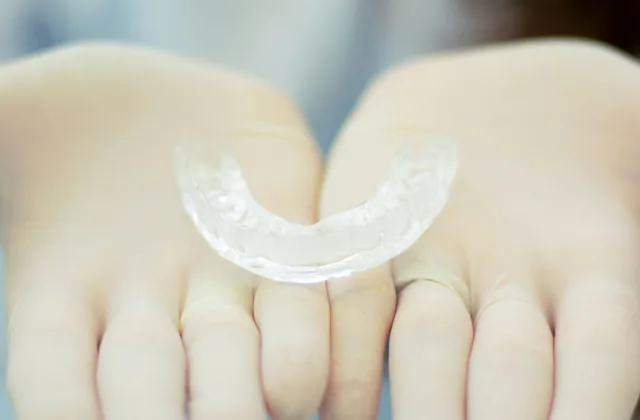
Finally, your braces have been removed and your smile is beautiful, straight, and best of all, metal-free! However, your orthodontic journey isn't quite completed. To keep your smile looking its best, you'll have to wear a retainer to preserve and stabilize your results. Retainers are needed to control or limit potential changes in tooth position. They are used after braces treatment to hold teeth in their correct alignment while the surrounding gums, bone, and muscle adjust to the new positioning of your teeth.
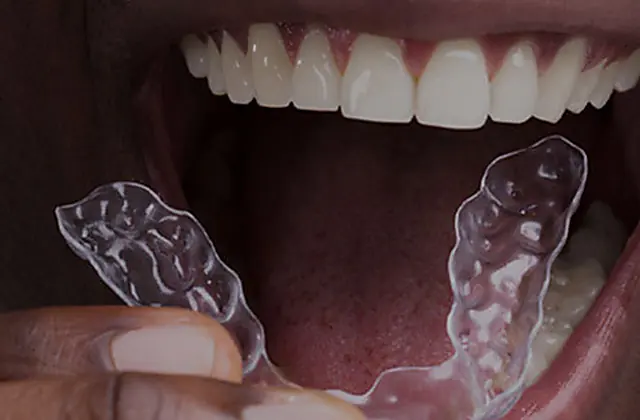
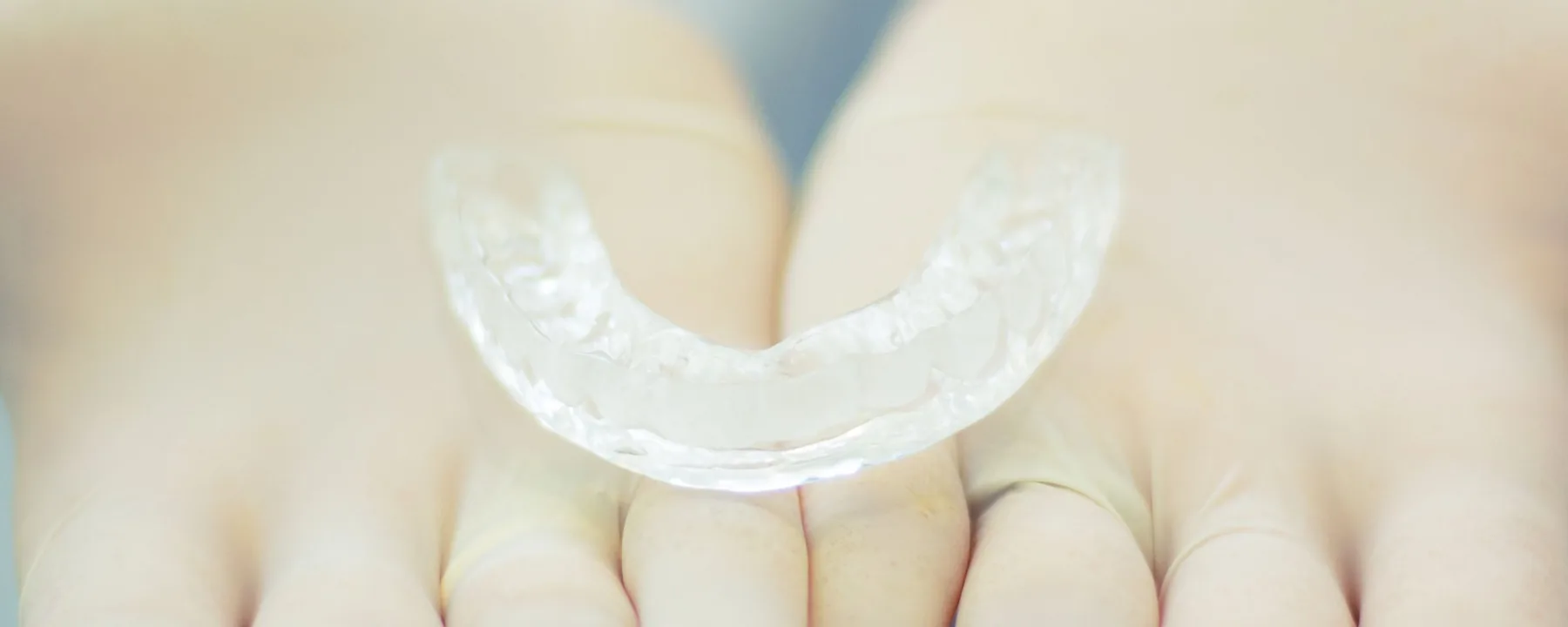
Retainers are custom-made and can be removable or fixed.
A complete exam, X-rays, and a written treatment plan, with no obligation and no sales pitch.
Why patients choose it
Bone and gum tissue need time to settle around the new tooth positions. A retainer holds everything still while they do.
Fixed retainers you never have to remember, removable retainers, or clear Vivera-style retainers made like your aligners.
We review fit at your review appointments, because a retainer that no longer fits is not protecting anything.
Lost or damaged retainers are a routine matter. Call us. Do not wait and let your teeth drift.
How it works
As soon as your appliances come off we take a scan or impression, so the retainer matches your teeth exactly as they finished.
We recommend fixed, removable, or clear retention based on your case, your age, and how much relapse risk your bite carries.
Most patients wear removable retainers full-time at first, while the tissues around the teeth stabilise.
Wear reduces to nights over time. Many patients keep wearing them a few nights a week indefinitely. That is normal and sensible.
We review your retainer at follow-up appointments and replace it when it wears out.
Who it's for
Every patient finishing active treatment, without exception. Also anyone whose teeth have shifted since previous orthodontic work. It is one of the most common reasons adults come back to see us, and it is usually fixable.
Full-time at first, then tapering to nights. Because teeth continue to move throughout life, most patients keep wearing a retainer a few nights a week long-term. Think of it as maintenance, not a sentence.
Brush it gently with a toothbrush and toothpaste, and soak it in denture cleaner if we have advised that. Never put it in boiling water or the dishwasher. Heat warps it permanently.
Call us as soon as you notice. Teeth begin drifting within days, and a prompt replacement is far simpler and cheaper than repeating treatment.
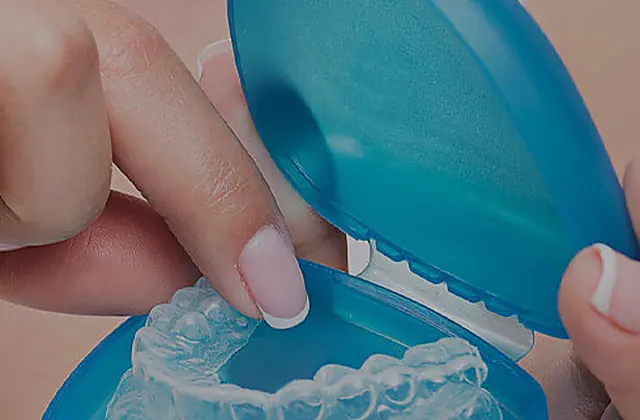
In its container, every time. Retainers wrapped in a napkin at lunch are the single most common way they get thrown away.
Usually yes, and often with a short course of aligners rather than full braces. Come in and we will assess how far things have drifted.
Related treatments
Let's get started
Need a retainer checked, repaired, or replaced? Get in touch. It is far easier to deal with now than later.