Your first visit is free
A complete exam, X-rays, and a written treatment plan, with no obligation and no sales pitch.
Treatments
A canine is impacted when it fails to erupt into the arch on its own, most commonly the upper eye teeth, which are the last front teeth to come in and are important to both your bite and your smile line. Treatment usually pairs a minor procedure to expose the tooth with orthodontic traction that guides it gently into position over several months, rather than losing the tooth altogether.
Overview
A canine is impacted when it fails to come through into the arch on its own. It happens most often with the upper eye teeth, which are the last of the front teeth to erupt and matter a great deal to both your bite and the line of your smile. The good news is that an impacted canine usually does not need to be lost. It needs to be found, uncovered, and guided into place.
An impacted tooth is a tooth that is blocked or “stuck” underneath the gum line, and does not erupt into its correct position on its own. Most often, an impacted tooth will be a third molar, or wisdom tooth, though it is a common occurrence in canine teeth as well. Canine teeth are located at the corners of the arch, next to the incisors. They have one pointed edge (cusp) which is used for holding, grasping, and tearing food. Because of the canine’s long root, they are very strong, stable teeth. Canines are usually the last teeth to erupt, and usually do so when your child is around the age of 12 or 13.
The Canadian Association of Orthodontists recommends that children have an orthodontic examination by the age of seven, which allows us the opportunity to monitor your child’s teeth eruption and detect impactions early.
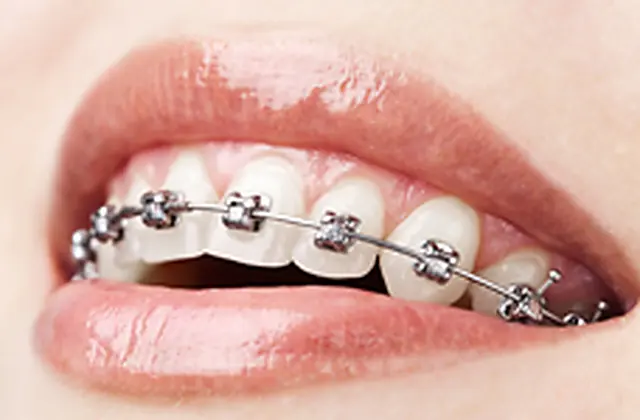
If your child does develop an impacted canine, a simple surgical procedure is recommended to assist the eruption of the tooth. We will surgically expose the tooth by cutting a small flap in the surrounding gum. After the tooth is exposed, we will either leave the tooth to erupt on its own, or attach an orthodontic bracket to the tooth to help guide its descent.
With early detection and combined surgical and orthodontic treatment, impacted canines can be allowed to erupt and/or be guided to the most ideal position in your child’s mouth.
A complete exam, X-rays, and a written treatment plan, with no obligation and no sales pitch.
Why patients choose it
Eye teeth guide the jaw as it moves sideways. Losing one changes how the whole bite functions.
Canines sit at the corners of your smile. A replacement rarely looks quite like the tooth you were born with.
Found early, an impacted canine can often be guided in with a simpler intervention than if left for years.
An impacted canine left in place can damage the roots of the teeth beside it.
How it works
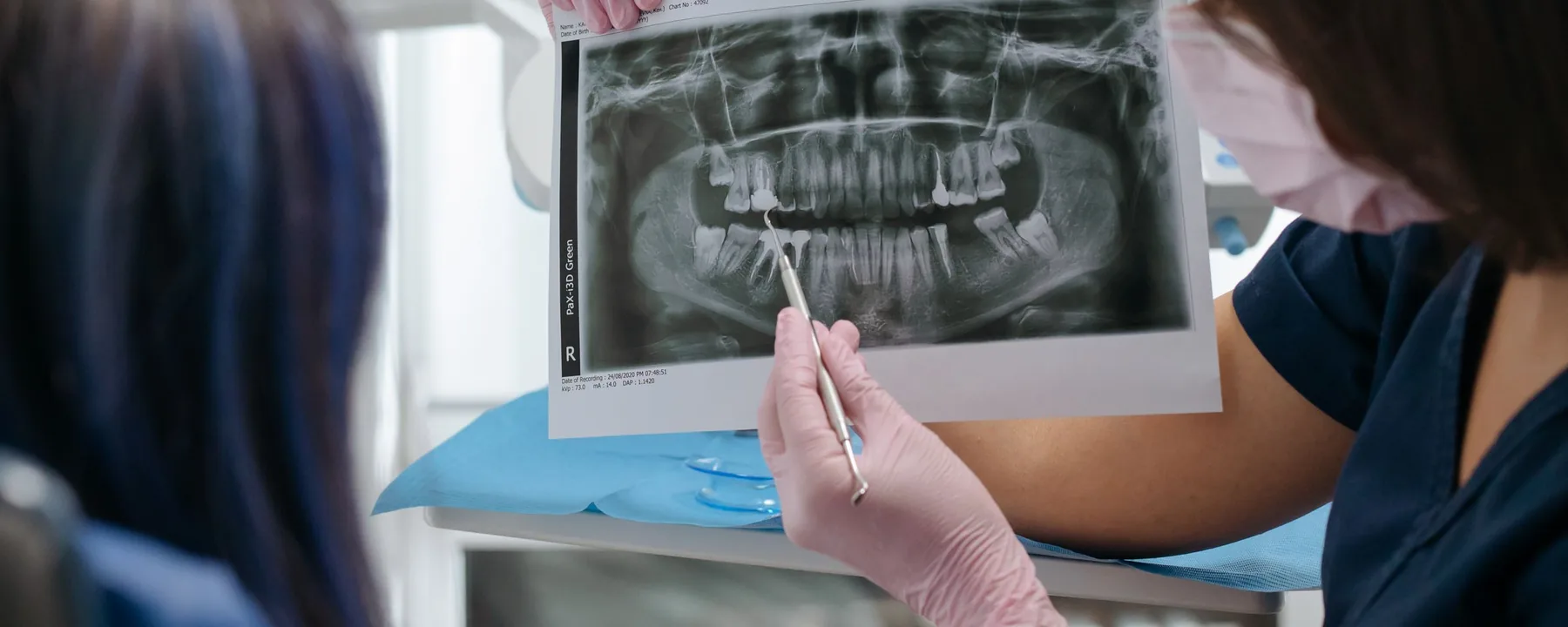
3D imaging locates the impacted tooth precisely: its position, its angle, and its relationship to the roots around it.
Braces first create room in the arch for the canine to be brought into, since there is usually none.
A minor surgical procedure uncovers the crown of the tooth and bonds a small attachment to it.
A gentle orthodontic force guides the tooth into the arch over a period of months. It is slow by design.
Once the canine is in position we align it with the rest of the arch and retain the result.
Who it's for
Older children and teenagers whose canines have not erupted on schedule, and adults still holding a retained baby canine where the adult tooth never came through. It is often first spotted on a routine dental X-ray before anything is visible.
Usually from imaging. The adult canine is overdue, a baby canine is still in place, or a routine X-ray shows the tooth lying at the wrong angle. 3D imaging then shows us exactly where it is.
Usually not. In most cases the tooth can be uncovered and guided into the arch. Extraction is a last resort, because canines matter both to the bite and to the smile.
Several months, sometimes longer. The movement is deliberately slow and gentle. Rushing an impacted tooth risks the tooth and the bone around it.
It is a minor procedure and discomfort afterwards is generally short-lived and manageable. Your surgeon will explain aftercare in detail.
Related treatments
Let's get started
If a canine has not arrived on schedule, have it looked at sooner rather than later. The consultation is complimentary.